
Use the following calculators to find the dimensions of a tire based on its code. It can also provide a comparison of alternative tires that are compatible with a given wheel size.
Tire Size Calculator & Comparison Tool
Calculate tire dimensions, compare sizes, and understand fitment impacts
Tire Size Calculator
Tire Calculations
Tire Dimensions
Tire Size Comparison Calculator
Tire 1 (Original)
Tire 2 (New)
Tire Size Analysis Report
Generated on:
Tire Size Analysis Report
Comprehensive analysis of your tire specifications and fitment
Tire Specifications
Tire Size: 225/45R17
Tire Type: Passenger (P-Metric)
Speed Rating: H (130 mph)
Load Index: 91
Load Capacity: 1356 lbs
Key Dimensions
Overall Diameter: 24.97 inches
Section Width: 8.86 inches
Sidewall Height: 3.99 inches
Circumference: 78.45 inches
Revs per Mile: 831.5
Fitment & Compatibility
Wheel Width Range: 7.0-8.5 inches
Measured Rim Width: 7.5 inches
Typical Vehicle Fit: Compact to midsize sedans, sports coupes
Clearance Check: Adequate for most vehicles with stock suspension
This tire size is commonly used on performance-oriented compact and midsize vehicles. The 45-series aspect ratio provides a balance between handling responsiveness and ride comfort. Ensure proper clearance in wheel wells, especially if lowering the vehicle.
Performance Characteristics
Handling Rating: 8/10 (Sport-oriented)
Ride Comfort: 6/10 (Firm but compliant)
Noise Level: Moderate (typical for performance tires)
Recommended Pressure: 32-36 PSI
Tire Life Expectancy: 40,000-50,000 miles
Alternative Sizes
Plus One Size: 235/40R18 (Diameter: 25.40")
Plus Two Size: 245/35R19 (Diameter: 25.75")
OEM Alternative: 215/50R17 (Diameter: 25.46")
When considering alternative sizes, maintain overall diameter within ±3% of original to avoid significant speedometer error and potential ABS/TCS issues. Wider tires may require wheel with appropriate width and offset.
The Ultimate Tire Size Calculator Guide: Compare, Convert & Install with Confidence
Introduction
For vehicle enthusiasts, mechanics, and everyday drivers alike, changing tire sizes represents both an opportunity and a challenge. Whether you’re seeking better off-road performance, improved street handling, or simply replacing worn tires, selecting the right size affects everything from speedometer accuracy to fuel efficiency and safety. This comprehensive guide demystifies tire sizing, explains critical calculations, and provides targeted solutions for every vehicle type—ensuring your next tire purchase enhances rather than compromises your driving experience.
Understanding Tire Size Fundamentals
How to Read Tire Size: Decoding the Numbers
Every tire sidewall contains a wealth of information in what initially appears as confusing alphanumeric code. A common passenger tire marking “P225/65R17 101T” breaks down systematically:
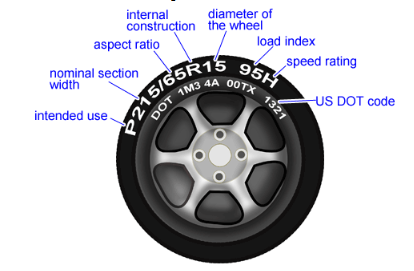
- P: Passenger vehicle (LT for Light Truck, T for Temporary spare)
- 225: Section width in millimeters (tire’s widest point)
- 65: Aspect ratio expressed as percentage (sidewall height is 65% of width)
- R: Radial construction (over 98% of modern tires)
- 17: Wheel diameter in inches
- 101: Load index (carrying capacity, where 101 = 1,819 lbs)
- T: Speed rating (T = 118 mph maximum)
Understanding this coding is essential before using any tire size calculator, as you’ll need these baseline measurements for accurate comparisons.
Tire Measurements Explained: Diameter, Width, and Circumference
Three primary dimensions determine how a tire interacts with your vehicle:
- Tire Diameter: Total height from road surface to top of tire
- Section Width: Distance between sidewalls at widest point
- Circumference: Distance the tire travels in one complete revolution
These measurements become crucial when considering tire size comparison or calculating speedometer calibration after changes.
Core Tire Calculations: Tools and Methods
Tire Size Calculator: Your Digital Fitting Specialist
A comprehensive tire size calculator serves multiple functions. Beyond simple conversion, advanced calculators determine:
- Overall diameter differences between old and new tires
- Speedometer error percentage at various speeds
- Clearance changes affecting wheel well fitment
- Gear ratio impact on acceleration and towing
Metric to Inches Conversion: Bridging Measurement Systems
The tire size calculator metric to inches function addresses a common confusion point. While wheel diameters use inches, widths use millimeters. Converting 285/70R17 to inches requires calculating:
- Section width: 285 mm ÷ 25.4 = 11.22 inches
- Sidewall height: (285 × 0.70) ÷ 25.4 = 7.85 inches
- Overall diameter: (7.85 × 2) + 17 = 32.7 inches
Specialized Calculators by Vehicle Type
Truck Tire Size Calculator
Truck applications demand considerations beyond passenger vehicles. A proper tire size calculator for truck accounts for:
- Increased load ratings for towing and payload
- Fender clearance when adding lift kits
- Gearing implications for diesel vs. gasoline engines
- Trailer towing stability with taller/wider tires
Jeep & Off-Road Tire Calculations
The Jeep tire size calculator represents one of the most searched variations, particularly for Wrangler and Gladiator models. Key considerations include:
- Backspacing and wheel offset changes
- Rubicon versus Sport model factory clearances
- Effect of disconnecting sway bars on articulation
- Tire size for lift kit calculator integration for 2″, 3.5″, and 4″+ systems
SUV and Crossover Applications
Modern SUV tire size calculator tools must address:
- Factory-run flat system compatibility
- All-wheel drive system tolerance limits (typically <3% difference between tires)
- Roof rack load capacity with taller/heavier tires
- Parking garage clearance concerns
Motorcycle, Bicycle, and Specialty Vehicle Calculators
- Motorcycle tire size calculator: Critical for maintaining handling characteristics
- Bicycle tire size calculator: Addresses ETRTO (ISO) and traditional sizing differences
- ATV tire size calculator: Factors in muddy versus rocky terrain applications
- Tractor tire size calculator: Agricultural and industrial sizing with completely different conventions
Problem-Solution Applications
Speedometer Calibration After Tire Changes
Speedometer calibration tire size concerns rank among the top reasons drivers use calculators. When tire diameter increases:
- Actual speed exceeds displayed speed
- Example: 32″ to 33″ tires creates approximately 3.1% error
- At indicated 60 mph, actual speed ≈ 61.9 mph
- Modern vehicles may require programming, while older models need gear changes
Plus Sizing: Upgrading Wheels and Tires
The plus size tire calculator helps maintain overall diameter when increasing wheel size. Common upgrades include:
- Plus One: 17″ to 18″ wheels with lower profile tires
- Plus Two: More aggressive appearance with careful clearance checking
- Rule: For every 1″ wheel increase, reduce aspect ratio by 5-10 points
Fitment and Clearance Calculations
Will these tires fit my rims calculator questions address width compatibility. General guidelines:
- Rim width should be 70-90% of tire section width
- Too narrow: Reduced stability, premature wear
- Too wide: Reduced rim protection, handling vagueness
- Always consult manufacturer specifications for optimal pairing
Performance and Gearing Implications
Gear ratio calculator tire size integration matters for:
- Restoring acceleration after larger tire installation
- Maintaining tow capacity with increased diameter
- Calculating effective final drive ratio
- Transmission shift point optimization
Commercial Applications & Local Services
Professional Tire Services Integration
While online calculators provide excellent starting points, professional verification ensures:
- Physical clearance checks during full suspension articulation
- Brake caliper and rotor clearance verification
- TPMS sensor compatibility and reprogramming
- Alignment specification adjustments for modified setups
Localized Service Solutions
For regional businesses, combining calculator tools with localized content captures high-intent searches:
- “tire size calculator for trucks in Phoenix” addressing heat-rated tire options
- “Chicago winter tire size calculator” factoring studded/snow tire considerations
- “Texas lifted truck tire calculator” accommodating state inspection requirements
Advanced Technical Considerations
Revs Per Mile and Its Importance
Tire revs per mile calculator functions provide precision for:
- Speed sensor calibration programming
- Fuel economy tracking accuracy
- Trip computer distance calculations
- Racing applications requiring exact rollout measurements
Circumference Calculations for Traction Control
Modern stability systems rely on precise wheel speed measurements. Tire circumference calculator accuracy affects:
- ABS modulation effectiveness
- Traction control intervention timing
- Hill descent control in off-road vehicles
- Cruise control smoothness
Alternative Sizing and Load Capacity
Alternative tire size calculator searches often seek:
- Older tire sizes no longer manufactured
- Metric to flotation size conversions (e.g., 33×12.50R15 equivalents)
- Load range adjustments for heavier/lighter applications
- Vintage vehicle restoration sizing
Vehicle-Specific Deep Dives
Jeep Wrangler JL with 2″ Lift: A Case Study
For searches like “Jeep Tire Size Calculator for Wranglers with a 2″ Lift“, the optimal sizing typically falls between 33″ and 35” diameters. Considerations include:
- Stock Rubicon accommodates 33″ with minimal rubbing
- 2″ lift enables 35″ tires with proper backspacing
- 37″ tires may require additional modifications
- Speedometer reprogramming using JScan or Tazer JL
Ford F-150 Tire Size Selection
America’s best-selling truck requires attention to:
- 2WD versus 4WD model clearance differences
- Max Tow Package spring rates affecting leveling kits
- Factory 17″ versus optional 20″ wheel well clearances
- Bed utility versus aesthetic stance priorities
Performance Vehicle Applications
Sports cars and sedans need precision with:
- Plus sizing without compromising ride quality
- Summer versus all-season tire diameter variations
- Wheel well liners and fender screw modifications
- Adaptive suspension clearance at full compression
Implementation and Verification
Step-by-Step Calculation Process
- Record Current Specifications: Document all existing tire markings
- Determine Goals: Identify priorities (appearance, performance, clearance)
- Use Multiple Calculators: Cross-reference results from different tools
- Physical Verification: Measure existing clearance at full lock and compression
- Professional Consultation: Seek installer input before purchasing
Post-Installation Verification Steps
- Confirm speedometer accuracy using GPS verification
- Check for rubbing at full steering lock over bumps
- Monitor tire temperatures across tread after highway driving
- Re-torque lug nuts after 50-100 miles
- Schedule alignment within one week of installation
Frequently Asked Questions
Q: How much can I change my tire size without modifying my vehicle?
A: Most manufacturers recommend staying within 3% of original diameter to avoid affecting speedometer accuracy, ABS, and traction control systems. Some trucks and SUVs can accommodate up to 5% with proper research.
Q: Will larger tires always improve my vehicle’s performance?
A: Not necessarily. While larger tires may improve off-road clearance and appearance, they often reduce acceleration, increase braking distances, and decrease fuel economy. The right size depends entirely on your specific usage priorities.
Q: How do I calculate the actual speed I’m traveling with larger tires?
A: Use the formula: (New Tire Diameter ÷ Original Tire Diameter) × Speedometer Reading. For easier calculation, use our tire size calculator which automatically generates a speed comparison chart.
Q: What’s the difference between a tire diameter calculator and tire circumference calculator?
A: A tire diameter calculator focuses on the static height measurement, while a tire circumference calculator calculates the distance the tire travels in one revolution—critical for speedometer and odometer accuracy.
Q: Can I use a truck tire size calculator for my SUV?
A: While the basic calculations are similar, a dedicated SUV tire size calculator may include factors specific to crossover and SUV applications like run-flat compatibility and AWD system requirements.
Q: How important is the tire width calculator when choosing new tires?
A: Extremely important. The tire width calculator helps ensure proper fitment on your wheels and within your wheel wells. Too wide may cause rubbing, while too narrow may compromise handling and load capacity.
Q: What information do I need to use a gear ratio calculator tire size tool?
A: You’ll need your current tire size, desired tire size, current gear ratio (found in owner’s manual or door jamb sticker), and information about your typical driving conditions (towing, highway, off-road).
Q: Why would I need an ATV or tractor tire size calculator when the sizes are marked?
A: These specialty calculators help with replacement options, especially when converting between different measurement systems or finding equivalent sizes from different manufacturers that use varying numbering conventions.
Conclusion and Next Steps
Mastering tire size calculations transforms what can be a confusing process into an empowering vehicle modification opportunity. From basic how to calculate tire size questions to advanced speedometer calibration tire size applications, the right knowledge ensures informed decisions.
For most applications, begin with our comprehensive tire size comparison calculator, then move to vehicle-specific tools like our Jeep tire size calculator or truck tire size calculator. Always verify calculations with physical measurements, and when in doubt, consult with professional installers who can provide localized insight—whether you’re searching for “tire size calculator for trucks in Phoenix” or solutions for specialized applications.
By understanding not just how to use these tools but why each calculation matters, you ensure your vehicle maintains—or enhances—its safety, performance, and efficiency regardless of the tires you choose.
Ready to Calculate Your Perfect Tire Size?
[Try Our Interactive Tire Size Calculator Tool Here] • [Download Our Vehicle-Specific Fitment Guides] • [Schedule a Professional Fitment Consultation]